
The Anatomy
of Peacebuilding
Peacebuilding is not a single intervention but a journey of healing. Drawing on a medical metaphor, the Anatomy of Peacebuilding offers a way of understanding how communities move from crisis to resilience and flourishing.
Like in medicine, different moments require different kinds of care. Some situations demand immediate intervention. Others require deeper diagnosis and coordinated treatment. Still others call for the long-term, preventative work of building resilience before conflict emerges again.
The most effective peacebuilding efforts recognize that these phases are interconnected and that learning flows between them. Insights gained through crisis response provide important clues for accurate diagnosis and effective coordination required for long-term care and healing. Critical data from the diagnosis and long-term care phases then inform how prevention is delivered and resilience is supported. Ultimately, these lessons reshape how future conflicts are understood and addressed.
New to the framework? Scroll through the sections below to explore each phase.
Already familiar with the Anatomy of Peacebuilding journey? Take the assessment and identify your organization's role.
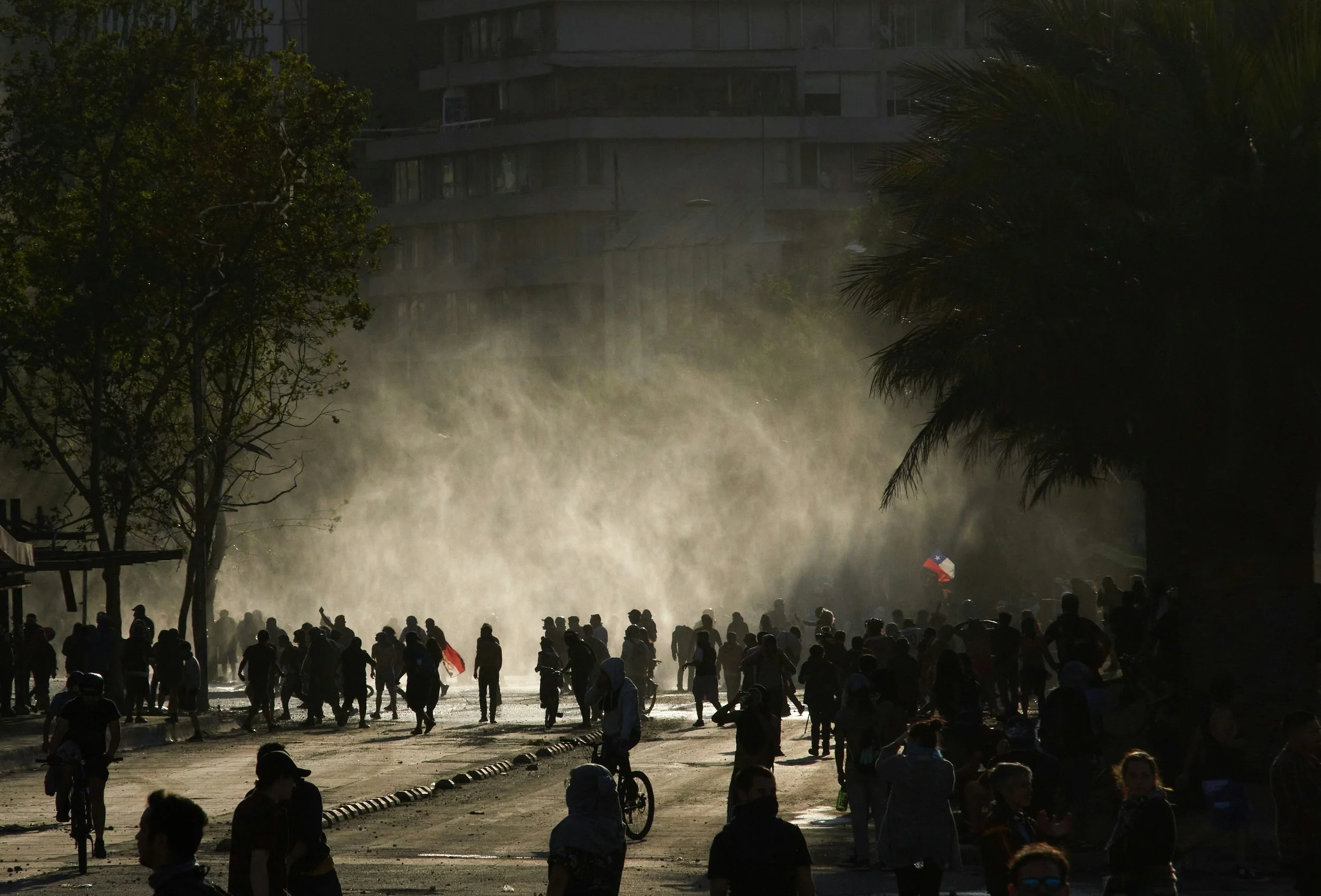
An acute shock or crisis event happens in a community or neighborhood. This moment can be instantaneous or something that builds up over time.
PHASE ONE
A Moment of Crisis
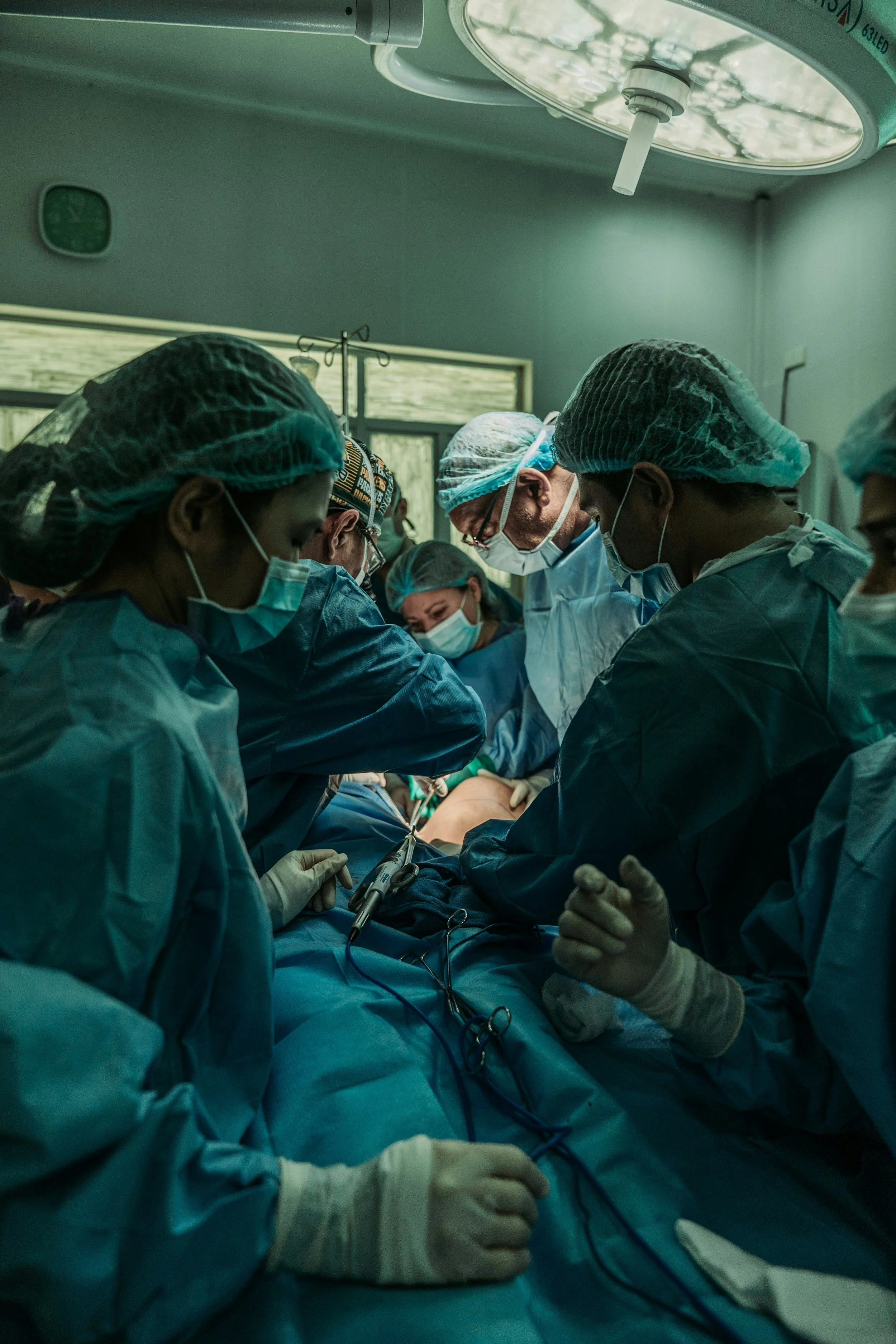
The Response: Triage
Treatment: In the Triage Phase, rapid response is required. Cooperation among experienced “first responders,” those trained to navigate acute crises, is essential to stabilize harm and prevent further escalation.
When a crisis strikes a community, an immediate response is required. Triage begins the critical process of stabilization.
-
In these acute moments, leaders must act quickly. National nonprofits, influential public voices, and crisis-response teams function like an emergency room, stopping the bleeding, drawing attention to the wound, and mobilizing resources. This work is urgent and essential, but it is only the beginning.
While CPCT is not a primary actor in these acute moments, the Center operates alongside frontline responders as a trusted partner, learning from those closest to the pain; helping discern when a community is ready to move beyond emergency response; and supporting the handoff from triage to deeper diagnosis.
Without this transition, both communities and first responders are left burned out, discouraged, and exhausted, with the same crises repeating themselves in the absence of real stability.
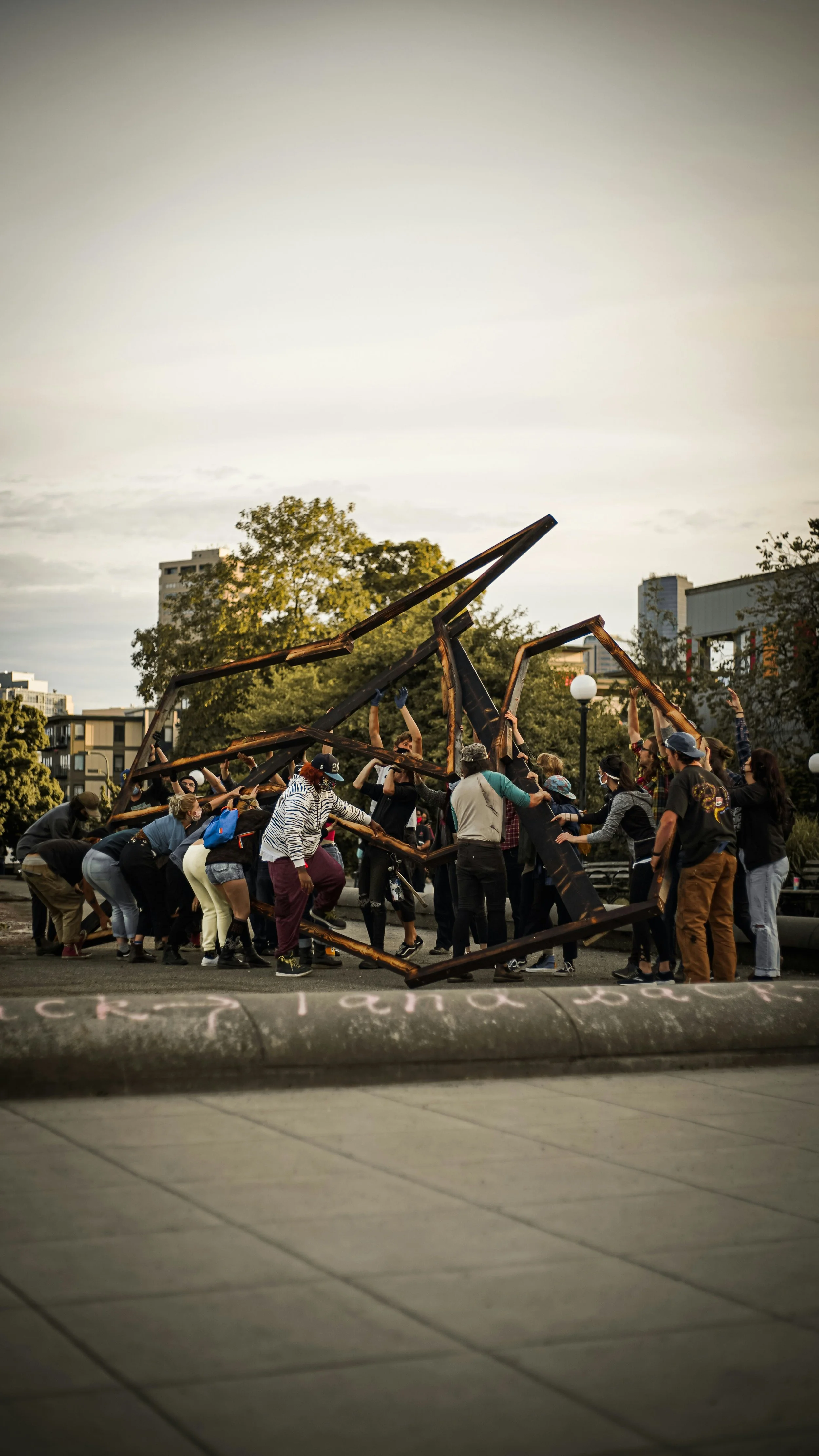
Even after acute care and rapid response interventions, communal pain and relational challenges remain. Citizens now seek longer-term solutions and partners who can help them create lasting change.
PHASE TWO
A Desire for Change
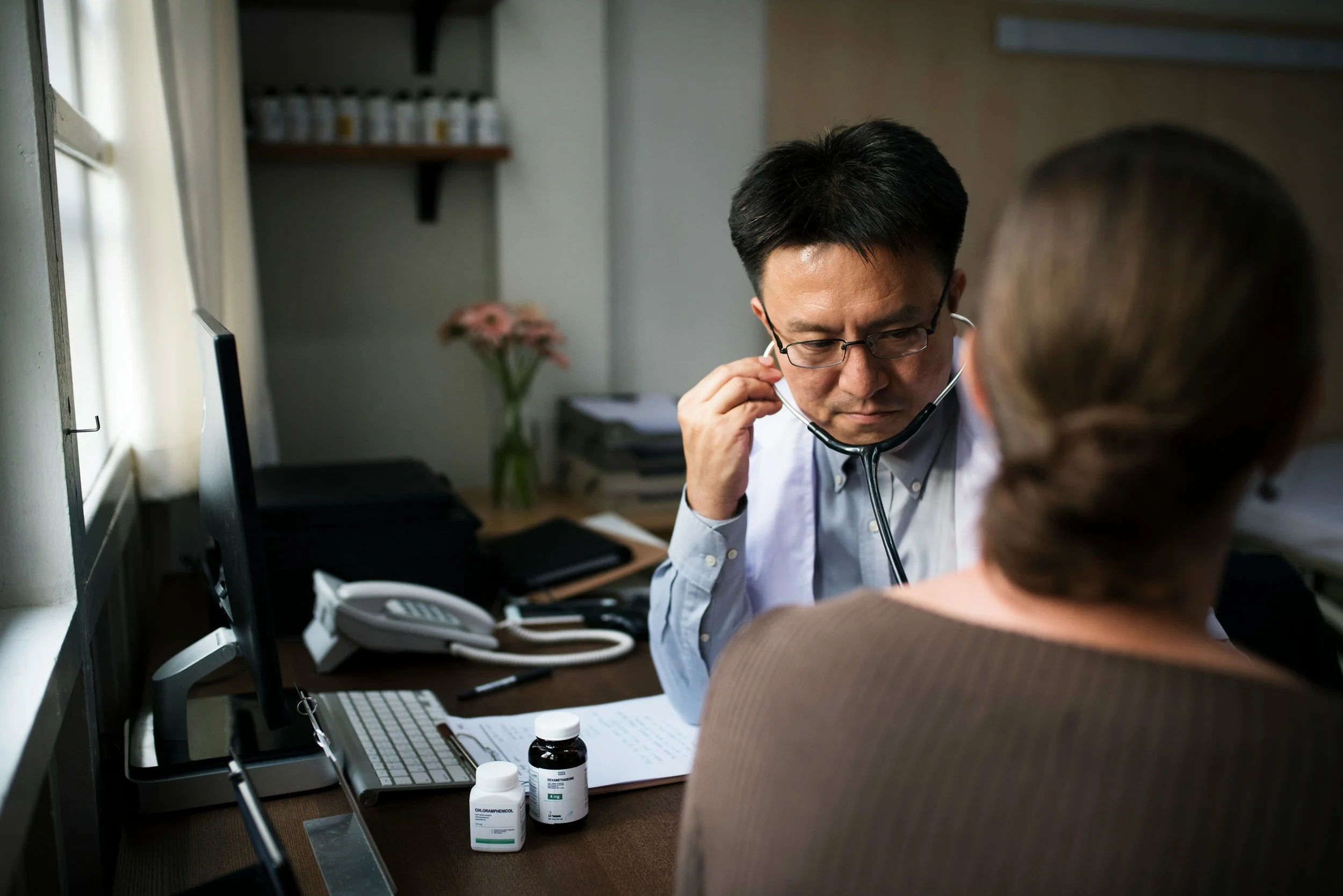
The Response:
Diagnosis & Treatment
In this phase, time and space for reflection and discernment become critical. As the urgency of a crisis subsides, the need for deeper understanding increases, requiring collaboration among trusted partners with the capacity to learn, adapt, and respond to what the crisis reveals.
Most crises are symptoms of much deeper wounds: history, trauma, identity, power, or even theology that have formed communities over time.
-
In the Diagnosis and Treatment Phase, communities move from reaction to reflection. CPCT functions as a diagnostic and coordinating center, helping leaders ask not only what happened, but what this conflict is revealing.
Here, the Center works to identify root causes, recognize recurring patterns, and convene the right mix of scholars, practitioners, and local leaders to design a thoughtful path toward healing. This is the long-term, often difficult work of repair: identifying and treating causes rather than symptoms.
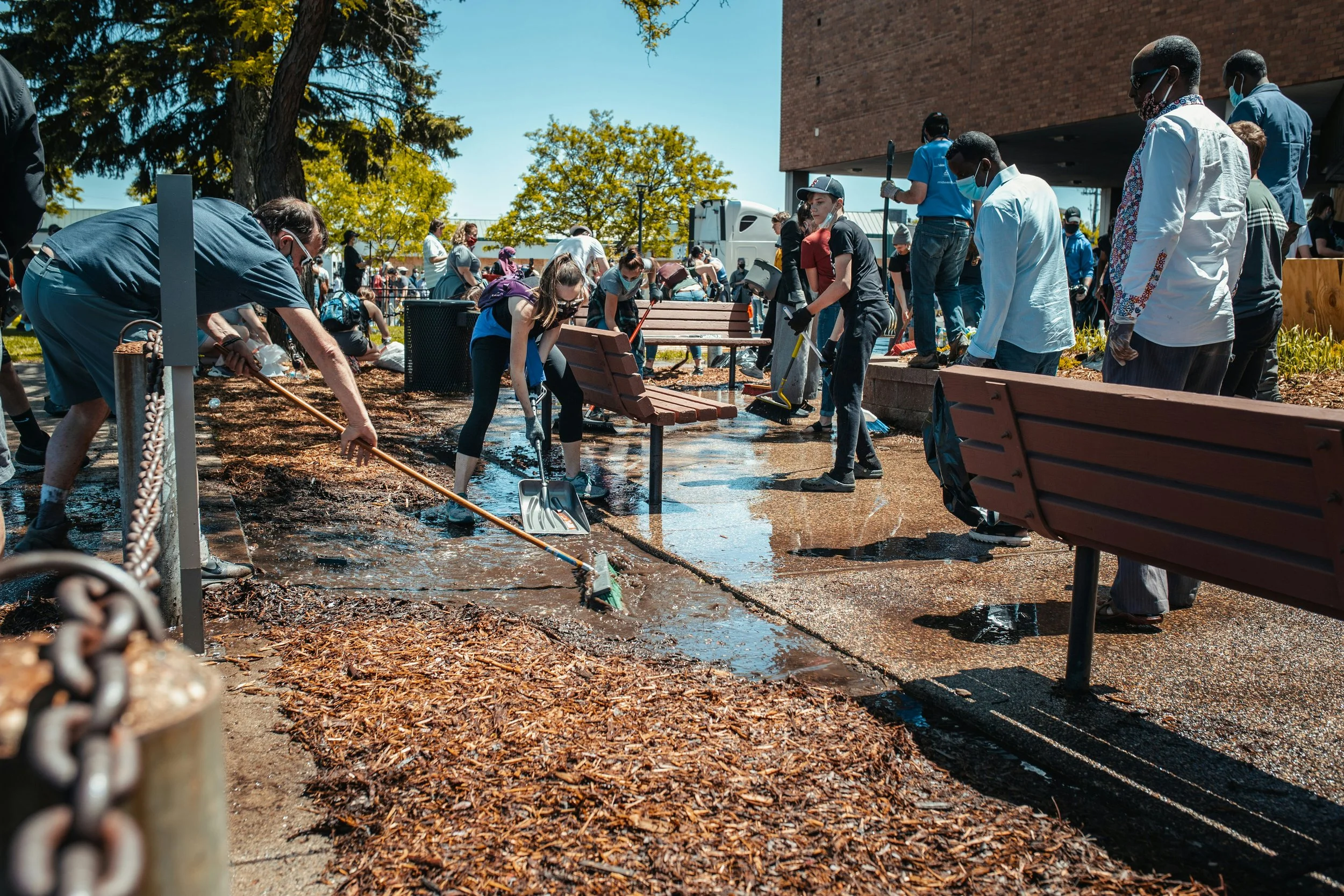
As communities and social ties become more resilient, and webs of connection and relational ties strengthen, newly introduced practices and guardrails still remain slippery. Collaboration between local leaders and institutions is needed for them to hold.
PHASE THREE
Sticky Peace

The Response:
Prevention
In the Prevention Phase, long-term commitments and contextualized interventions matter most. Sustained peace depends on coordinated action across a connected network of local leaders and institutions, ensuring the gains of earlier phases take hold.
The work of “sticky peace” unfolds over time. It is the communal work of forming new norms, habits, and commitments that strengthen relational health and resilience.
-
Like preventative medicine, long-term peacebuilding happens close to home. Local congregations, grassroots organizations, and community leaders carry out the steady work of formation: cultivating practices that reduce the recurrence of destructive conflict and strengthen the social fabric.
CPCT supports and learns from these leaders, helping connect their lived practice to broader research, shared learning, and networks of support so prevention becomes possible at scale.
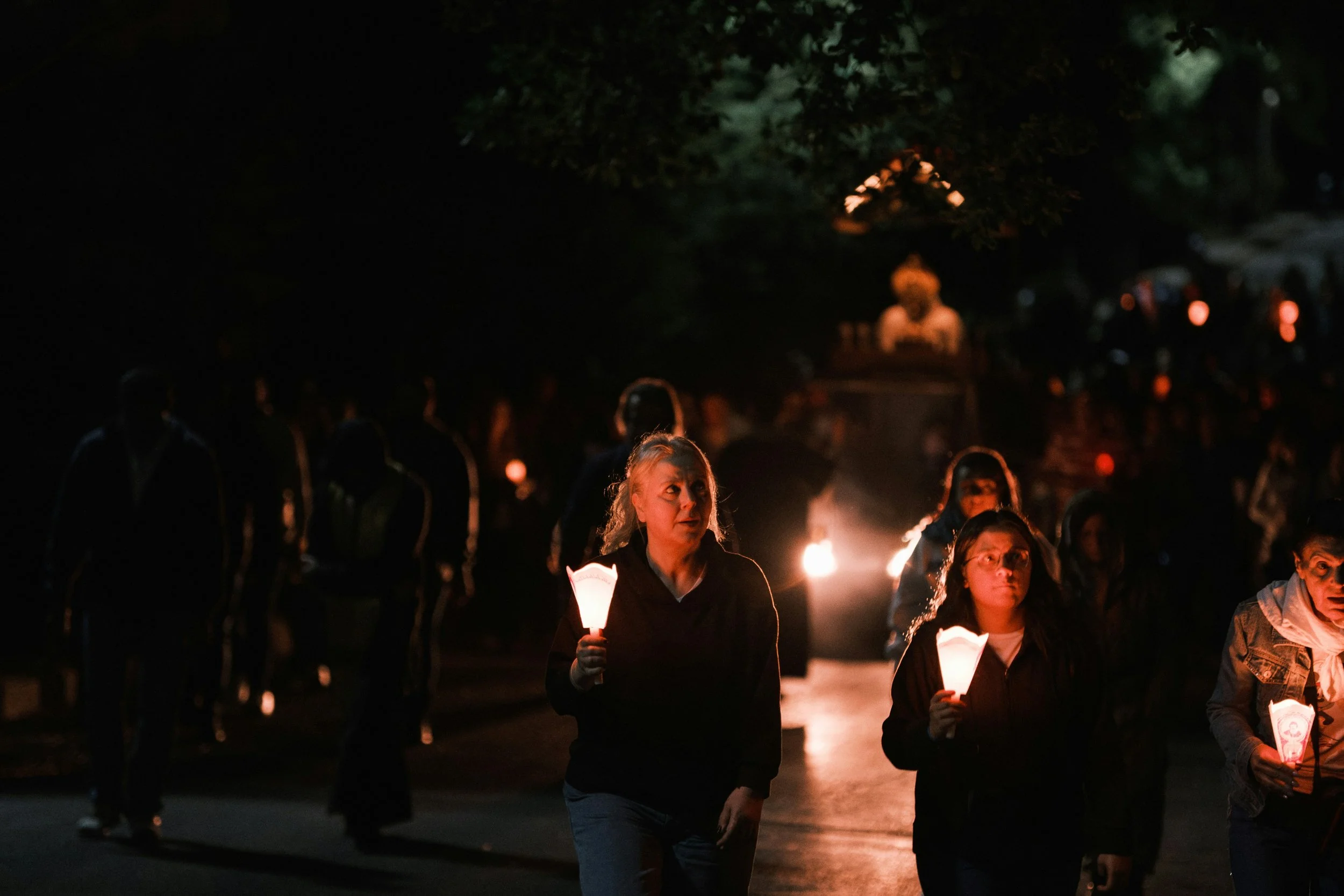
Peacebuilding is not a single intervention, but a continuum of care that moves from crisis response to long-term health and resilience.
The Center for Peacebuilding and Conflict Transformation exists to strengthen that continuum: partnering with those who stabilize harm, guiding communities toward deeper understanding and healing, and supporting the formation of practices that prevent future crises. In doing so, the Center helps the Church move from reaction to resilience, and from repeated injury toward lasting peace.
Locate Your Place in the
Peacebuilding Journey
Not sure where you fit in the peacebuilding journey? Start here. These short assessments will help you identify your role, understand your current situation, and discover resources tailored to your unique needs and opportunities.